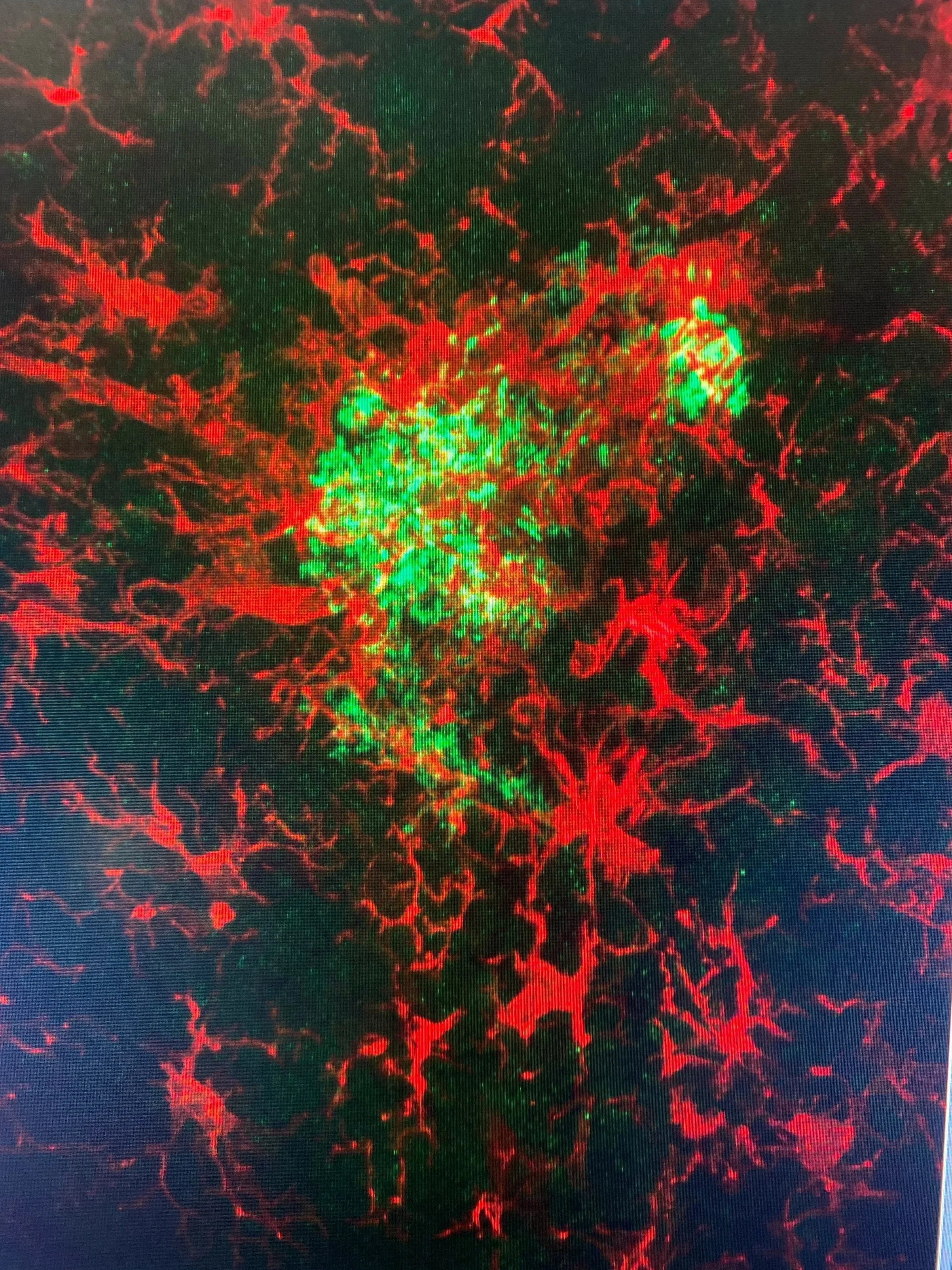
We investigate how common neurotropic viruses, particularly HSV-1, contribute to the development and progression of Alzheimer’s disease. Our work examines how infection and viral reactivation accelerate neuropathology.
Viral infection and Alzheimer’s Disease
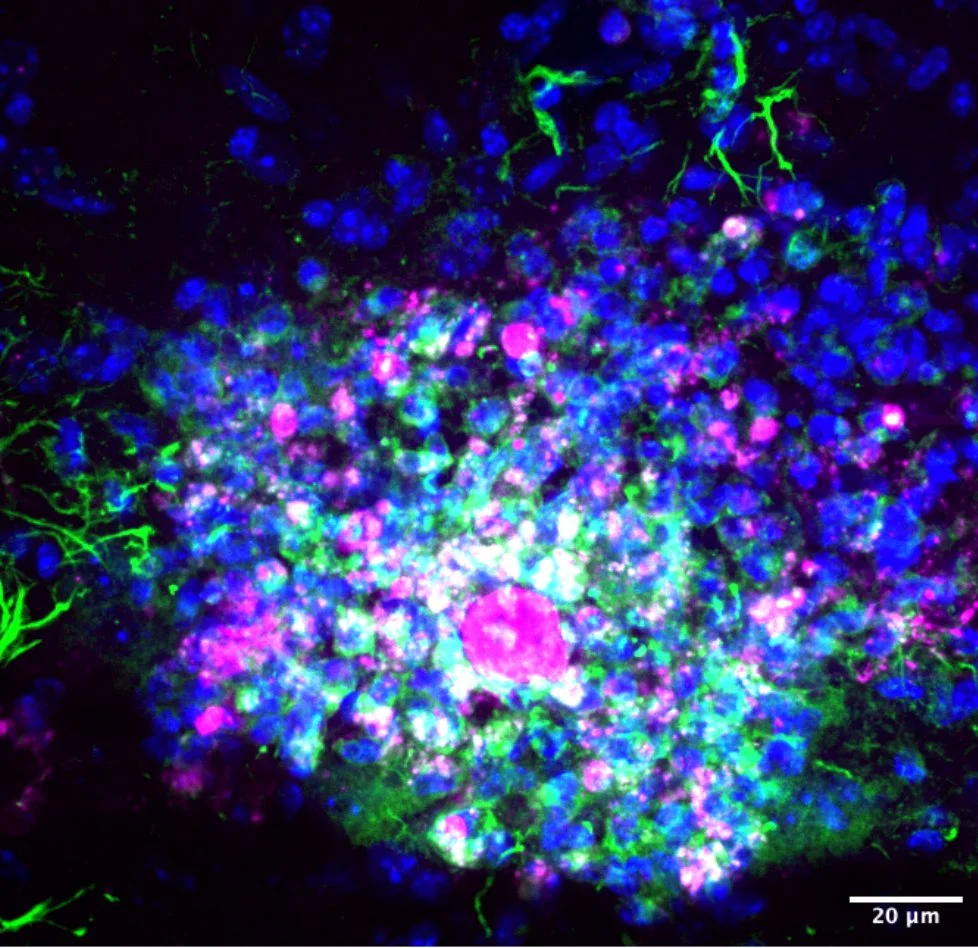
Microglia and astrocytes are critical for maintaining a healthy brain but can become dysfunctional during chronic infection and aging. We study how viral infections alter glial immune, metabolic, and inflammatory responses and how these changes contribute to neurodegeneration.
Glial Dysfunction & Neuroinflammation
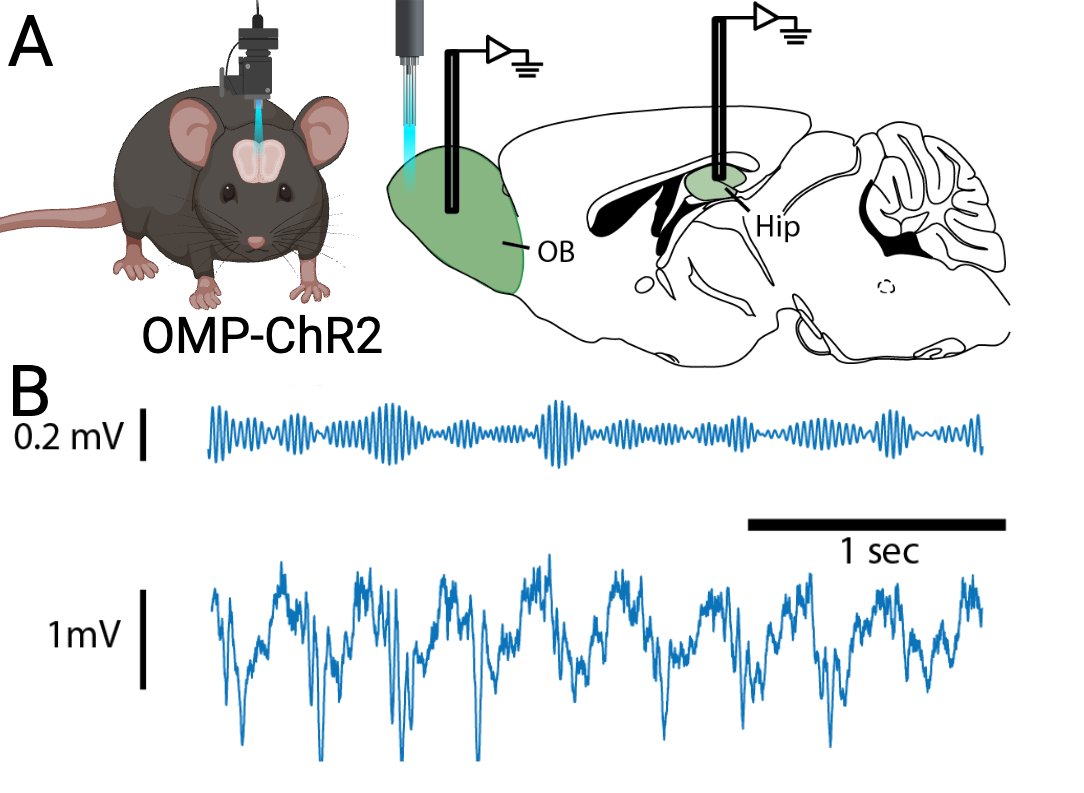
Neurological disease extends beyond memory loss. We investigate how viral infection affects vulnerable brain regions and neural circuits involved in sleep, mood, sensory processing, and other symptoms that can emerge early in neurodegenerative disease.
Viral infection and Brain and Behavior Changes
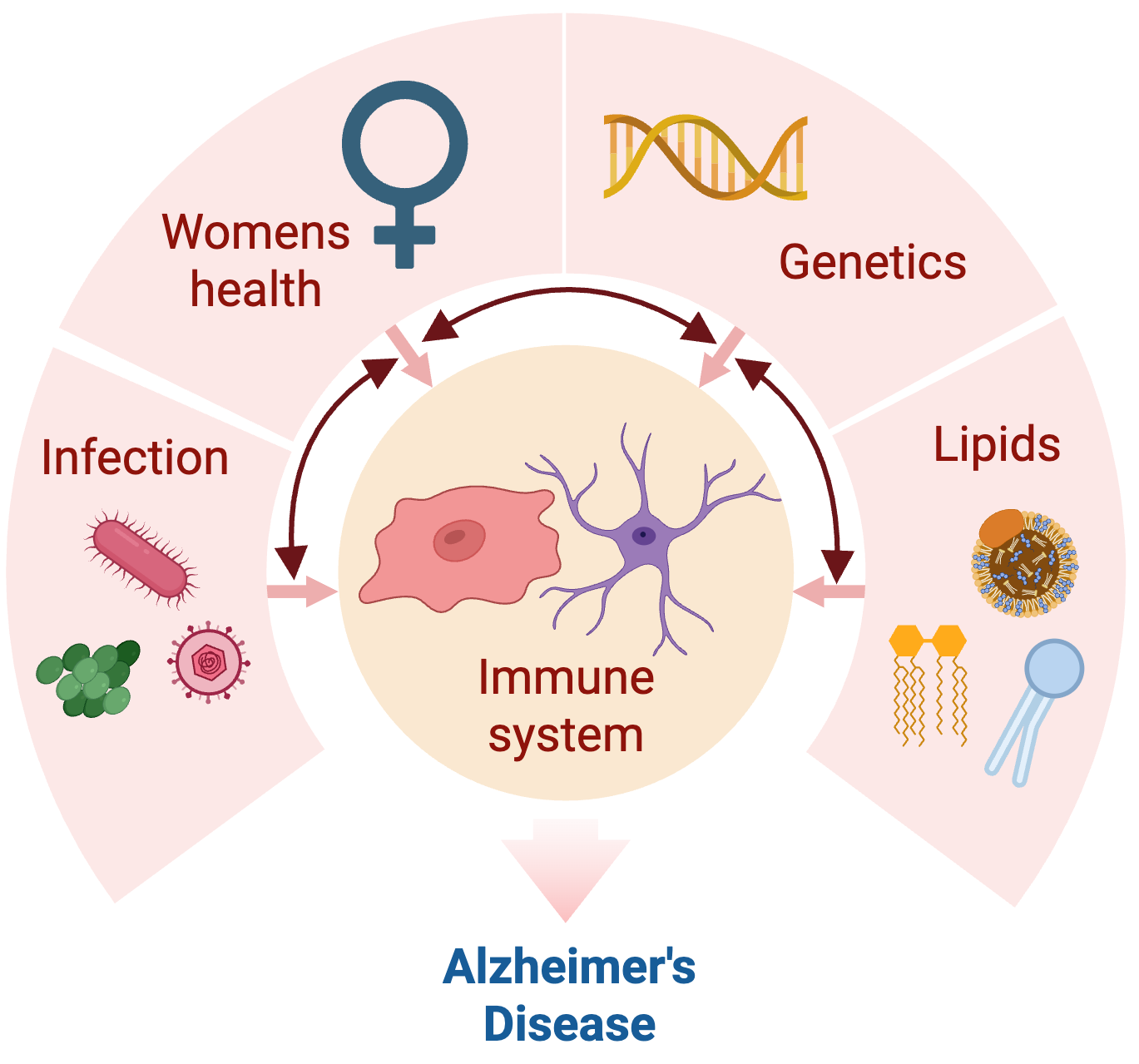
Neurodegenerative diseases arise from multiple interacting risk factors rather than a single cause. We study how infection intersects with aging, genetics, biological sex, and brain injury to influence susceptibility to neurological disease, with the goal of identifying why some individuals are more vulnerable than others.